
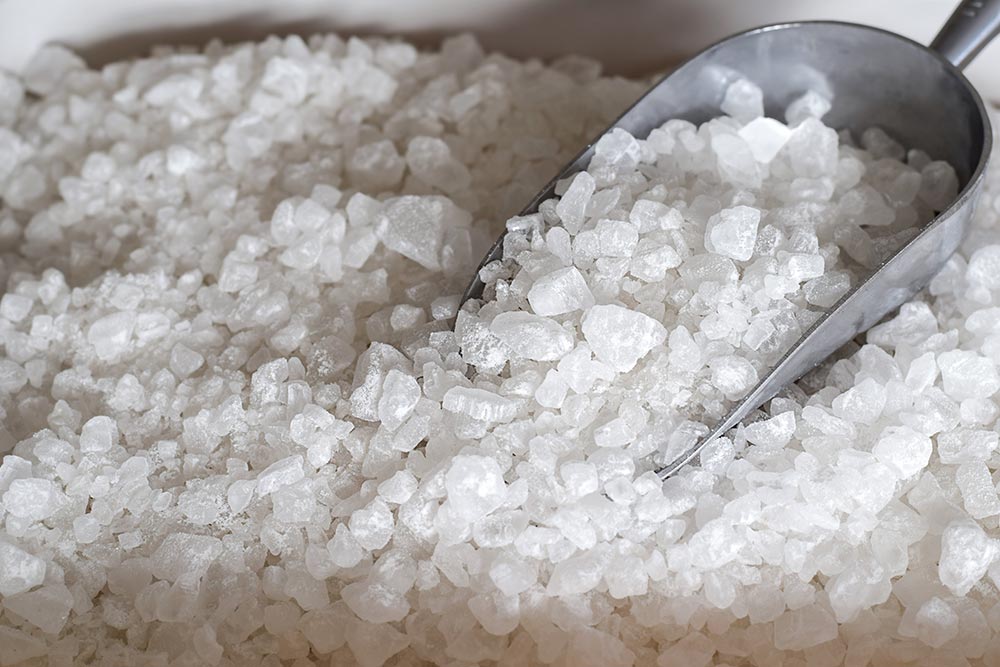
Not all water softener salt is created equal. While it may be tempting to choose the cheapest option on the shelf, low-quality or “dirty” salt can cause serious issues inside your water softener over time. Understanding what’s in your salt and how it affects your system can help you avoid unnecessary repairs, poor water quality, and shortened equipment life.
What Is “Dirty” Water Softener Salt?
Dirty or low-quality salt often contains high levels of insoluble materials, such as dirt, sand, clay, and other debris. These contaminants don’t dissolve in water during the softening process. Instead, they settle inside your brine tank and softener components, where they can create long-term problems.
This is most common with lower-grade rock salt or improperly processed salt products.
How Dirty Salt Affects Your Water Softener
1. Sludge Buildup in the Brine Tank
When impurities don’t dissolve, they accumulate at the bottom of the brine tank, forming thick sludge. Over time, this buildup can lead to reduced efficiency of salt dissolving, interfere with the production of brine, and require more frequent service and cleaning. Dirty salt can also increase the risk of salt bridging (a hard crust that forms above the water line) and salt mushing (a thick, slushy mass at the bottom of the tank). Both issues can prevent your system from regenerating properly, leaving hard water flowing through your home even though the tank looks full.
2. Clogged Injectors and Valves
Fine debris from low-quality salt can clog injectors, screens, and valves inside the softener. This can lead to:
- Poor regeneration cycles
- Reduced water pressure
- Costly repairs if left unaddressed
3. Reduced Softening Performance
If your softener can’t regenerate correctly due to dirty salt, it won’t remove hardness minerals effectively. This can lead to:
- Spotty dishes and glassware
- Scale buildup on fixtures and appliances
- Dry skin and dull laundry
4. Shortened Equipment Lifespan
Over time, the dirty salt can put additional strain on internal components, shortening the lifespan of your water softener and increasing long-term maintenance costs.
Why High-Quality Salt Makes a Difference
High-quality evaporated or pellet salt contains far fewer insolubles, meaning it dissolves cleanly and keeps your system running efficiently. Benefits include:
- Cleaner brine tanks
- Fewer service issues
- Consistent soft water performance
- Lower maintenance and repair costs over time
The Bottom Line
Using low-quality salt may save a few dollars upfront, but it can cost you much more in repairs, poor water quality, and premature equipment failure. Choosing high-quality water softener salt is one of the easiest ways to protect your investment and ensure your home enjoys reliable, soft water year-round.
If you’re unsure which salt is best for your system, or if your softener isn’t performing as it should, having it inspected by a professional can help catch problems early and keep everything running smoothly. Give Gilk Services a call, and we can help!