
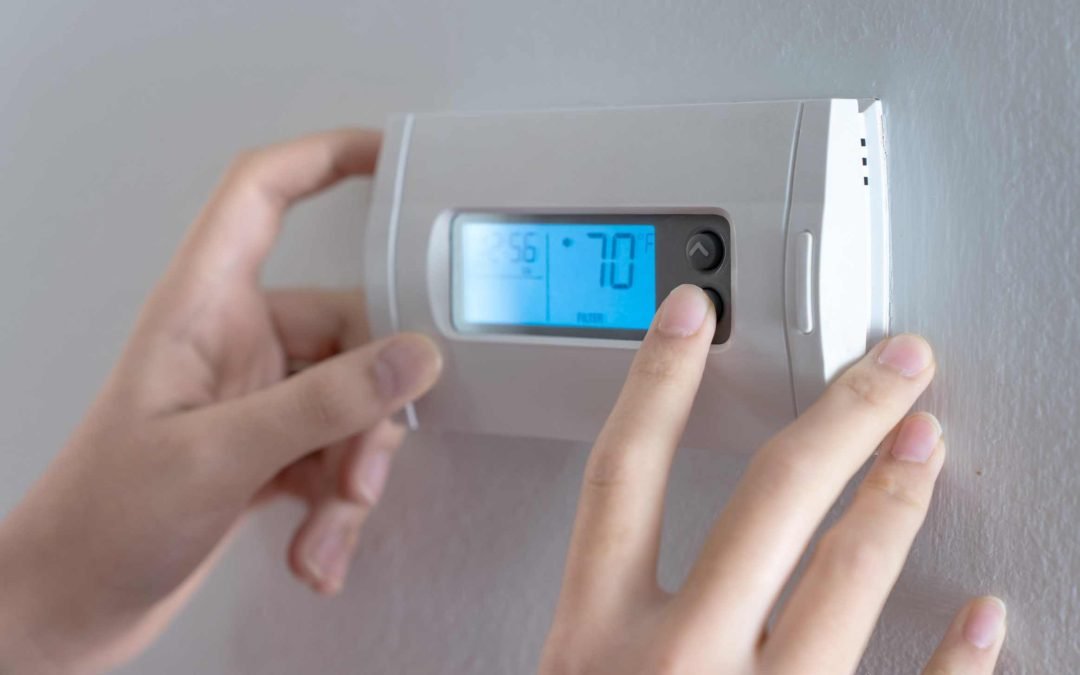
If you’ve ever heard the words “Who touched the thermostat?” echo through your house, you’re not alone. In many homes, the thermostat is less of a temperature control and more of a battlefield. One spouse is freezing, the other is sweating, and somehow the thermostat keeps getting secretly adjusted when no one’s looking.
So who’s right? What temperature should your thermostat actually be set at?
Winter: Cold Hands vs. Lower Bills
During the winter months, the U.S. Department of Energy recommends setting your thermostat to 68°F when you’re home and awake. This temperature balances comfort with energy efficiency.
- Feeling chilly? Add a sweater or cozy blanket before cranking the heat.
- Feeling warm? Congrats, you’re saving money already.
Lowering the thermostat just a few degrees while sleeping or away can reduce heating costs by up to 10% a year, which might help settle at least one argument.
Summer: Let the AC Battles Begin
In the summer, the recommended setting is 78°F when you’re home and higher when you’re away. Yes, we know, that number can feel shocking to the spouse who runs hot.
Ways to make your home cooler without lowering the temperature:
- Use ceiling fans (they can make a room feel 4–6 degrees cooler).
- Close blinds during the hottest part of the day.
- Keep interior doors and vents open for proper airflow.
Every degree lower than 78°F can significantly increase energy use, so dropping it to “arctic tundra” mode may feel good, but your utility bill will notice.
The Real Winner: Programmable & Smart Thermostats
If thermostat arguments are a regular thing in your house, a programmable or smart thermostat might be the peacemaker you need.
These allow you to:
- Automatically adjust temperatures for day, night, and away times.
- Control settings from your phone.
- Avoid constant manual changes (and sneaky adjustments).
- Bonus: They help your HVAC system run more efficiently and extend its lifespan.
When It’s Not About the Temperature
If one room is always colder, another never cools down, or no setting feels “right,” the problem may be:
- Poor insulation
- Airflow issues
- An aging or inefficient HVAC system
That’s when it’s time to call in the experts!
Final Verdict
There may never be a perfect thermostat setting that makes everyone happy, but sticking close to the recommended temperatures can improve comfort, lower energy bills, and reduce household thermostat drama.
Need help optimizing your home’s comfort? We’re here to help, no referee whistle required.