
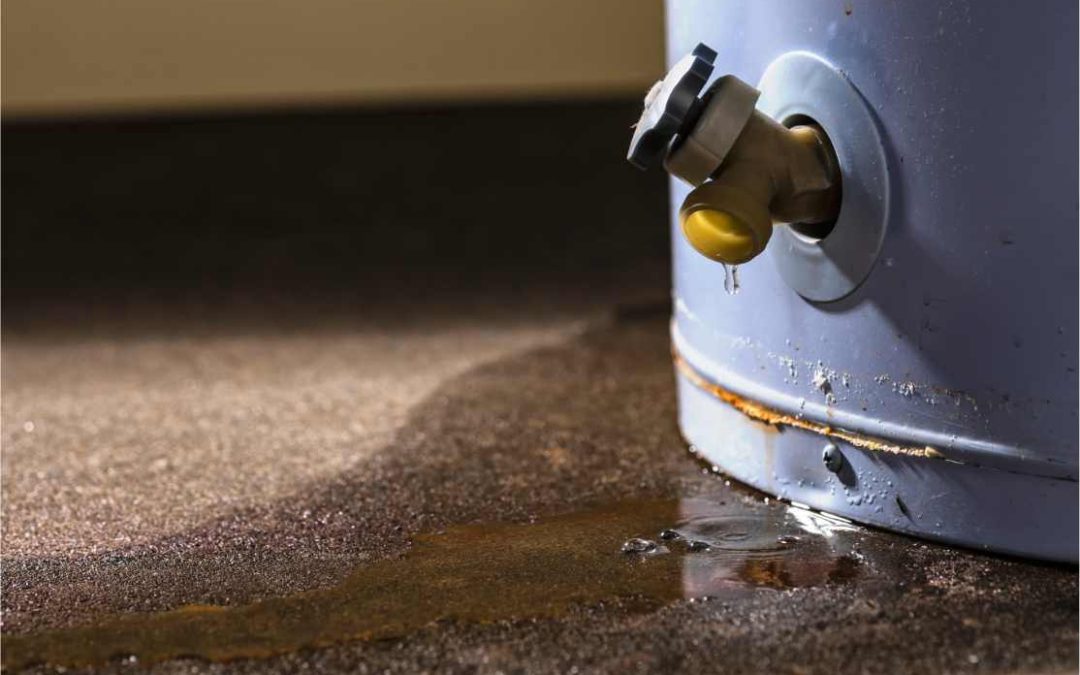
Your water heater is likely failing if you notice a lack of hot water, hear rumbling or popping noises, see water heater leaking, or if your unit is over 10-12 years old. These signs of a failing water heater often point to sediment buildup or internal corrosion, which can lead to a major leak.
Look for these clear warning signs to avoid a no hot water emergency.
- No Hot Water: The water isn’t getting hot or runs out quickly.
- Strange Noises: Rumbling or popping sounds from the tank.
- Visible Leaks: Any water or puddles around the base of the unit.
- Discolored Water: Rusty or brown water from the hot tap only.
- Old Age: The unit is older than its 8-12 year average lifespan.
Table of Contents
- The 5 Key Signs Your Water Heater Is About to Fail
- Sign 1: No Hot Water or Lukewarm Water
- Sign 2: Leaks and Puddles Around the Tank
- Sign 3: Rumbling or Popping Noises
- Sign 4: Rusty or Discolored Hot Water
- Sign 5: Your Water Heater’s Age
- What to Do if Your Water Heater is Failing
- Frequently Asked Questions
The 5 Key Signs Your Water Heater Is About to Fail
Your water heater is one of your home’s hardest-working appliances, but it won’t last forever. Catching problems early can save you from a cold shower or, worse, a costly flood from a major leak.
Here are the top five signs to watch for.
Sign 1: No Hot Water or Lukewarm Water
The most obvious sign is no hot water. If your water is only lukewarm or runs out much faster than usual, it signals a problem.
This could be a failing heating element (in an electric unit) or a pilot light issue (on a gas unit). More often, it’s caused by a severe buildup of sediment in the tank, preventing the unit from heating the water properly.
Sign 2: Leaks and Puddles Around the Tank
A water heater leaking is an emergency. If you see any puddle, big or small, around the base of your tank, you must act quickly.
While it could be a loose valve, it often means the inner tank has corroded and cracked. This cannot be repaired and will eventually lead to a major leak. We offer 24/7 emergency service for exactly this situation.
Sign 3: Rumbling or Popping Noises
Your water heater should run quietly. Rumbling, popping, or banging sounds are a clear sign of sediment buildup.
What is Sediment Buildup? Sediment is a layer of minerals (like calcium) from our hard water that settles at the bottom of the tank. This layer traps water, causing it to boil and “pop” like popcorn. This process stresses the tank and can lead to failure.
Sign 4: Rusty or Discolored Hot Water
If you turn on the hot tap and see rusty, brown water, it’s a major red flag.
This indicates the inside of your tank is corroding. The anode rod, which is designed to prevent rust, has likely been used up, and the tank itself is now rusting from the inside out. This will eventually cause a leak.
Sign 5: Your Water Heater’s Age
A standard tank water heater has an average lifespan of 8 to 12 years. If your unit is over 10 years old, it’s living on borrowed time.
How to Check Your Water Heater’s Age:
- Locate the manufacturer’s sticker on the side of the tank.
- Find the “Serial Number.”
- The date of manufacture is often coded into this number (e.g., “0518” might mean May 2018).
- If you’re unsure, call us, and we can help you identify its age.
What to Do if Your Water Heater is Failing
If you notice any of these signs, don’t wait. Call a professional plumber.
At Gilk Services, we can inspect your unit and determine if it’s a simple repair or if you need a replacement. We proudly install reliable Bradford White water heaters and high-efficiency Rinnai tankless water heaters.
Frequently Asked Questions
How long does a water heater last? A traditional tank water heater lasts 8-12 years. Tankless models, like the Rinnai units we install, can last 20 years or more with proper maintenance.
Is a leaking water heater an emergency? Yes. A small leak can quickly turn into a major flood, causing significant water damage. Call for 24/7 emergency service immediately.
Can I fix a leaking water heater myself? We don’t recommend it. If the tank itself is leaking, it can’t be repaired and must be replaced by a licensed plumber.
Why is my hot water rusty? Rusty hot water almost always means the inside of your tank is corroding. It’s a sign that the unit needs to be replaced soon.
What are those popping noises in my water heater? Those noises are caused by sediment buildup at the bottom of the tank. This buildup forces water to boil and “pop,” which damages the tank over time.
Should I repair or replace my old water heater? If your water heater is over 10 years old and having problems, replacement is usually the most cost-effective option to avoid future leaks.
Trust Your Local Experts at Gilk Services
Don’t wait for a cold shower or a flooded basement. If your water heater is showing its age, “Better Get Gilk.” Our expert plumbers serve Richmond, Paynesville, Cold Spring, and all of Central Minnesota.
Call us today at (320) 597-3200 for a free estimate on your water heater repair or replacement.
By The Gilk Services Team Last Updated: October 30, 2025
Gilk Services is a licensed and bonded plumbing, HVAC, and electrical contractor (Plumbing License: PC644312) serving the Central Minnesota area since 2011.